Gasly's P7 in Singapore came partly from others' trouble, and Alpine shouldn't call it pace
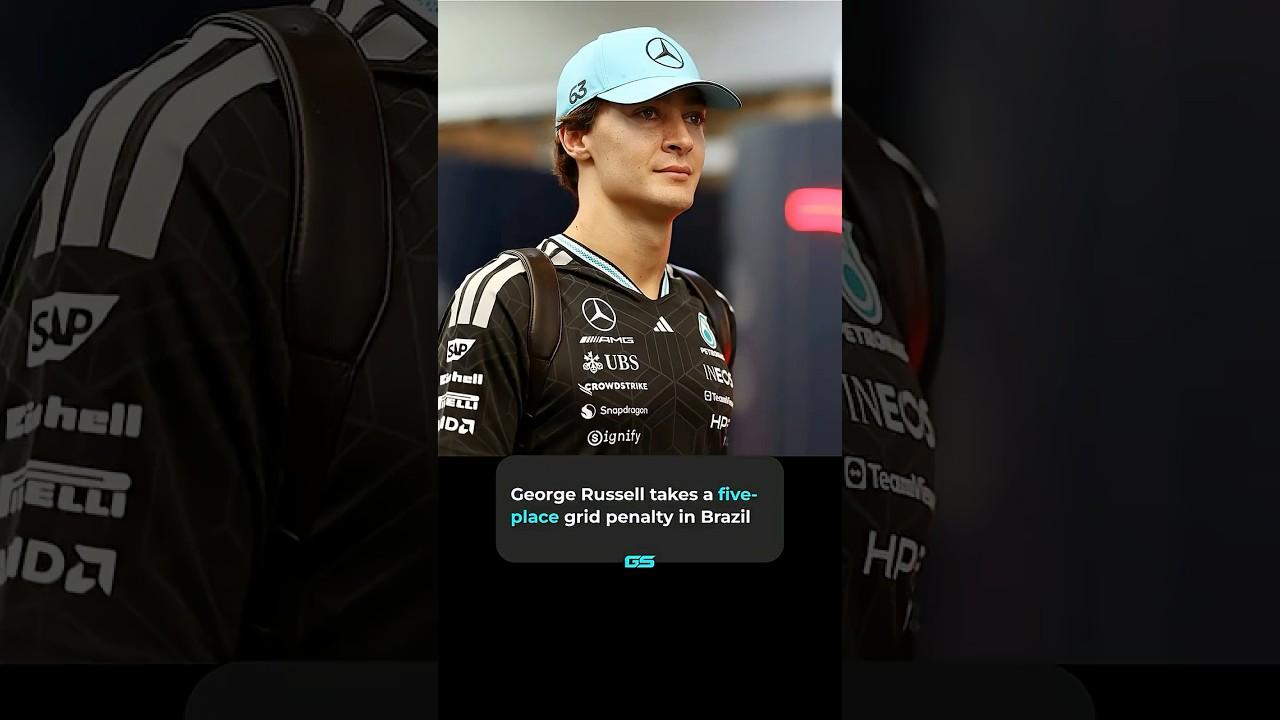
Pierre Gasly started seventh at Marina Bay with help from George Russell's grid penalty and Isack Hadjar's woes, then failed to score.
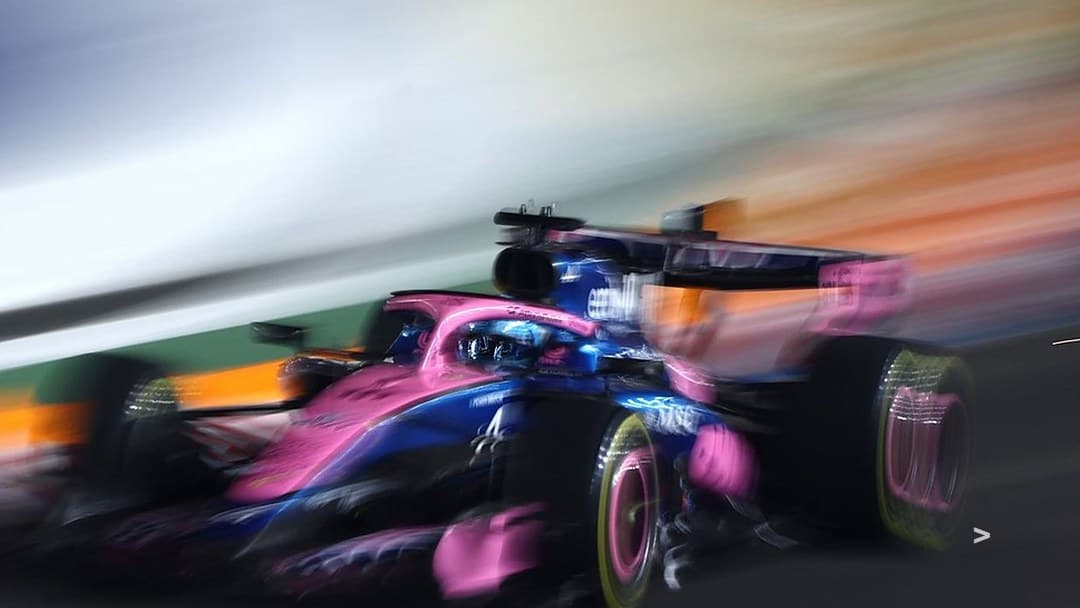
Pierre Gasly lined up seventh on the Marina Bay grid for the Singapore Grand Prix, and part of the reason was George Russell's grid penalty. That's fair enough. Alpine shouldn't read it as pace.
How Gasly got to seventh
Motorsport.com reports that Gasly beat his midfield rivals to take the seventh spot on the grid "courtesy of Isack Hadjar's technical woes and George Russell's grid penalty". So two cars that might have started near him didn't, for reasons that had nothing to do with the Alpine.
That's the rule working as it should. A grid penalty punishes the driver who earns it. It gives the cars behind a better place to start from and nothing more. It doesn't promise them a result, and it says nothing about how quick they are.
A good grid slot and no points
The race showed the difference. From seventh, Gasly surprisingly failed to score points.
He has since talked about the behavioural issues he had with the car. Motorsport.com's report on it carries the line "I'm sideways all the time", and describes the Alpine as feral. A car that won't settle under its driver is a problem that a better starting position doesn't touch. Moving up two places on Saturday doesn't make the tyres last longer or the rear end calmer on Sunday.
Why Alpine shouldn't count it as progress
The danger for Alpine is in how the weekend gets remembered. A seventh-place grid slot looks like a step forward on paper. But it was handed over by other people's trouble, and the race that followed it exposed the car rather than rewarded it.
Our view is simple. A borrowed grid slot isn't progress, and Alpine's race in Singapore proved it. The thing worth Alpine's attention is the car Gasly described, not the place on the grid that Russell and Hadjar left open for him.