Ferrari, Mercedes and Aston Martin all went hunting for lost time in Austin
Ferrari led every practice in Austin but lost qualifying, Mercedes' Singapore rollback paid off, and Aston Martin chased a turbo fault Honda couldn't find.
Ferrari topped every practice session at the United States Grand Prix and still lost qualifying. Lewis Hamilton and Charles Leclerc can't agree on why, and one of their explanations is a lot more worrying than the other. Mercedes, meanwhile, went backwards in Singapore so they could go forwards in Austin, and the Friday times suggest it worked. And Aston Martin are still hunting a turbo fault that Honda can't find, while the real problem sits in the chassis.
Three different teams, all facing the same question. Where did the time go?
Ferrari's practice pace vanished once it counted
Hamilton says the car felt good, and somehow that makes it worse.
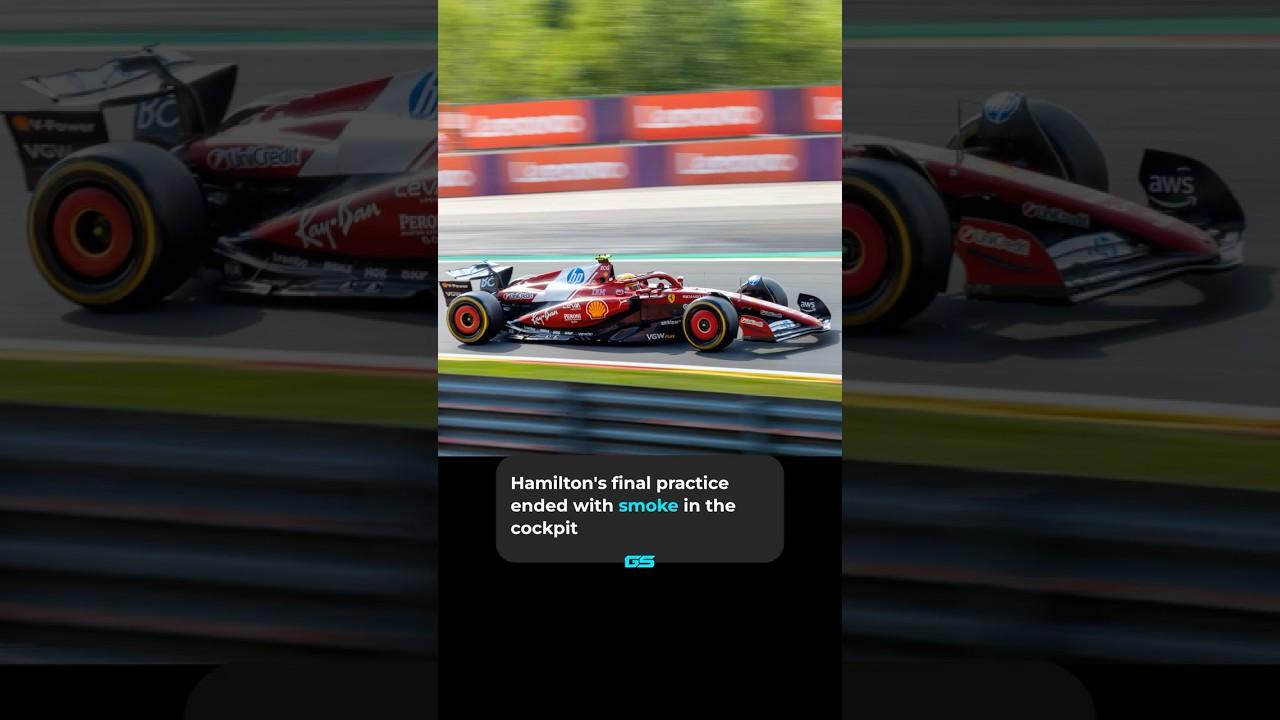
The practice record leaves no room for doubt about Ferrari's speed. Leclerc headlined both Friday sessions at the Circuit of the Americas, and Hamilton took the honours in final practice after Leclerc's best lap was deleted. This wasn't one lucky lap. Ferrari went into qualifying pegged as the team to beat, and anyone who'd watched practice saw it the same way.
Then qualifying happened. The team failed to find enough progression through Q3, and Mercedes and Red Bull got ahead of both cars. Leclerc was fourth and Hamilton fifth. It isn't the first time this year that Ferrari's practice pace has gone missing once it mattered. Fast when it's free, slower when it's for keeps, and nobody in red seems sure why.
Hamilton isn't blaming the car. His lap was clean, with no issues and nothing to point at. He rates the car at least as good as the others, maybe even slightly better. His problem is the straight, where Ferrari cut power earlier and the rivals simply keep pulling away. He believes that's the only place they lose time.
That sounds reassuring until you follow it through. If the car is right and the lap is clean, the easy explanations have run out. Hamilton has also noticed the chassis gap closing. Red Bull have found downforce, and Mercedes took a big upgrade step a couple of races ago that they're still learning to use. Through the corners, both are now matching Ferrari. So the advantage Ferrari showed in practice has shrunk, and what remains is a deficit in a place no driver can work around.
Leclerc sees it differently. His out lap wasn't right, so the tyres never got into their working window. He reckons the rubber was one or two degrees down when it mattered, and for him that made a huge difference. That's an out lap problem, the kind of detail a team usually sorts by the next race. Get the out lap right, get the tyres warm, and Leclerc's problem goes away.
It's a far more comfortable explanation, if it's the right one. And that's what bothers us. A cold tyre is a Saturday problem, and the tyre window comes back next weekend. A deficit on the straight doesn't go away, because there's no out lap that fixes it. If the corners are now level, Ferrari have to find the time somewhere else. The run down to Turn 1 off the line will tell us a lot.
Mercedes' Singapore retreat is paying off
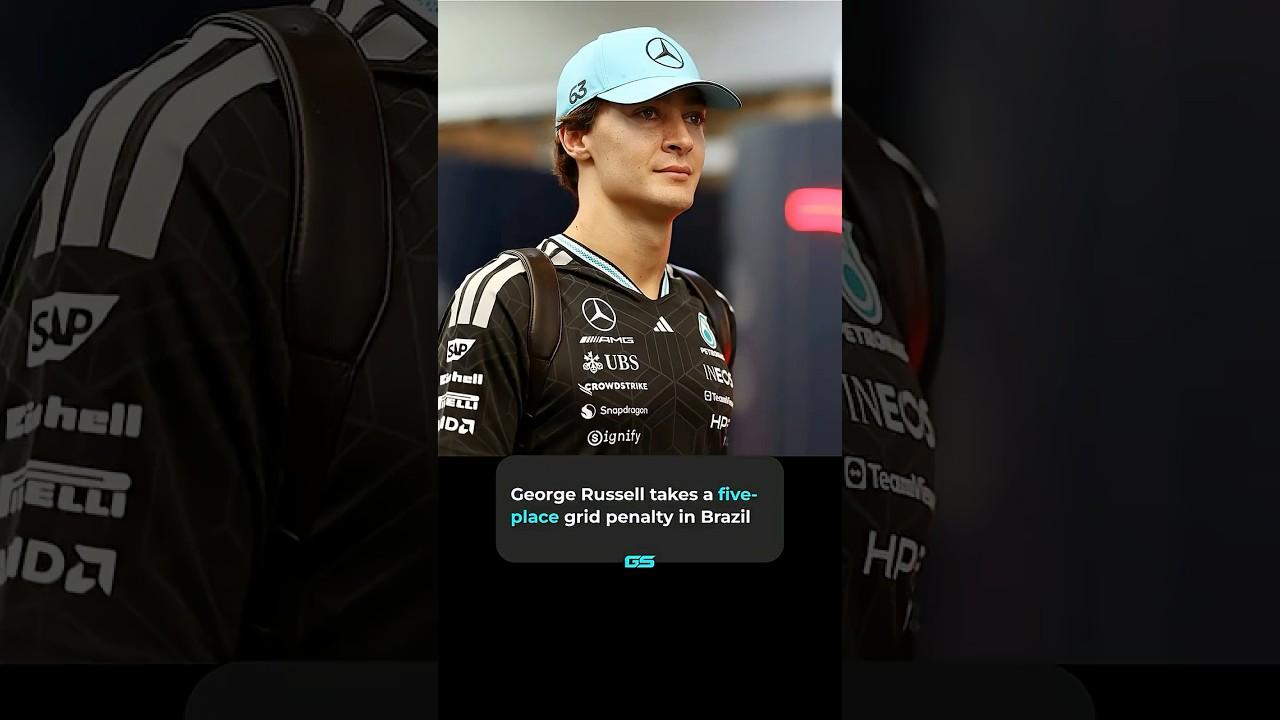
Mercedes rolled George Russell back to the old car, and it looked like a retreat.
The significant upgrade package Mercedes introduced in Malaysia arrived and underwhelmed, which isn't what any team wants from a major step. So rather than bluff it, the team put Russell back on the older specification in Singapore. Rolling a car back to old parts isn't a good look for a team with the championship leader in it, and it took some nerve. It meant admitting in public that the new parts weren't working yet. Plenty of teams would have pushed through and called it a learning weekend.
Then came the week off. Kimi Antonelli says the team spent it buried in the data, working out what the package actually needs. In Austin both cars ran the Malaysia upgrades, with a new front wing option on top. Same chassis, same parts, both drivers reading off the same page. Antonelli's point is that having both cars on the same package lets the team try lots of different things and understand it faster.
That's the right call. Antonelli isn't pretending it's solved either, because Mercedes are still hunting for the right operating window. But the Friday times back up his talk of another step forward. He was fifth in the first session, and by the end of the second he was second, just 0.042s off Leclerc's benchmark. That's not a fluke. That's a car moving the right way across a whole day.
There's a title angle too. Antonelli leads the championship, and a win with his rivals scoring low could, in theory, hand him the title this weekend. Mercedes team representative Bradley Lord isn't having any of it. He calls it a very minimal chance and says this isn't the match point weekend. The team will look at the maths when it starts coming towards them, and not before. Antonelli isn't being dragged into it either, and his talk is all about the window rather than the maths. That's the sensible tone. Chase points, not arithmetic.
Mercedes got this saga right, and the proof is that they were willing to look wrong first. The car doesn't need to be perfect yet. It needs to keep learning. With the top teams this close, an upgrade that actually works is worth more places than usual.
Aston Martin are chasing the wrong fault
Fernando Alonso said his turbo was broken, and Honda couldn't find a thing.
This was in Singapore. Alonso reported the turbocharger as broken, so Aston Martin started him from the pitlane on fresh components. A pitlane start is a big price to pay for a feeling, and no team does that lightly. Somebody in that garage believed him.
Honda then went through the engine and found no evidence of a turbo problem at all. Their line is that the driver is the best sensor in the car. It's a lovely phrase, and it's also a get out of jail card. It means the driver is right, the data is clean, and nobody has to explain why the two don't match.
To be fair, drivers do sometimes feel things the engineers can't see. Patrick Head once said Nick Heidfeld found problems Williams had been carrying for two years without anyone pointing them out. That's the case for listening to the driver, and it's a real one. Trusting Alonso's feel isn't daft on its own.
Team principal Mike Krack's theory is that the tow from the Cadillac ahead, combined with the extra boost from overtake mode, made the engine feel off. Maybe so, and at least it's an explanation that matches the data. Either way, it's a turbo hunt, and the turbo isn't the problem. The updated car is, and that's the part a pitlane start was never going to fix.
The update is lighter at the rear and runs a newer specification Honda engine. The Race has called it the most troublesome car on the grid this season, in a year when Aston Martin-Honda's form has yo-yoed. Its best weekend was Malaysia, and the reason matters. A rough surface and overheating tyres robbed every car of grip there, which suits a car that's relatively stronger in the slow corners and off the throttle. That flatters a chassis. It doesn't mend one.
Azerbaijan told a similar story, with the car working well up to and including the castle section. A car that only looks good when the track takes grip away from everyone isn't a car that's been fixed. Aston Martin should stop chasing faults Honda can't find. The turbo hunt is a distraction, and the chassis is the job. The real worry is a car that needs slow, slippery tracks to look competitive, and that's where the work has to start.
The car was the honest answer every time
That's the thread running through the whole week. Every team had a story for why it was off the pace, and each time the honest answer was the car. Mercedes admitted it and went backwards to fix it. Aston Martin are still hunting for a fault that isn't there.
Ferrari's drivers can't agree on where their gap lives, and of the three stories it's the argument most worth settling. Leclerc's cold tyres would be the easy fix. Hamilton's straight would be the hard one, and on the evidence of a clean lap and corners that rivals now match, it's the explanation Ferrari should fear.
- Lewis Hamilton
- Charles Leclerc
- Kimi Antonelli
- George Russell
- Fernando Alonso
- Ferrari
- Mercedes
- Aston Martin
- Red Bull
- Honda
Sources
- The strange Alonso subplot to Aston Martin's weird recent run (opens in a new tab), The Race
- Hamilton explains Ferrari’s Qualifying deficit in Austin (opens in a new tab), Formula 1
- Kimi Antonelli hails "step forward" at United States GP as Mercedes chips away at upgrades (opens in a new tab), Motorsport.com
- Leclerc and Hamilton's differing theories behind Ferrari's Austin qualifying disappointment (opens in a new tab), Autosport