Bearman's own defence shows why his Austin penalty was right
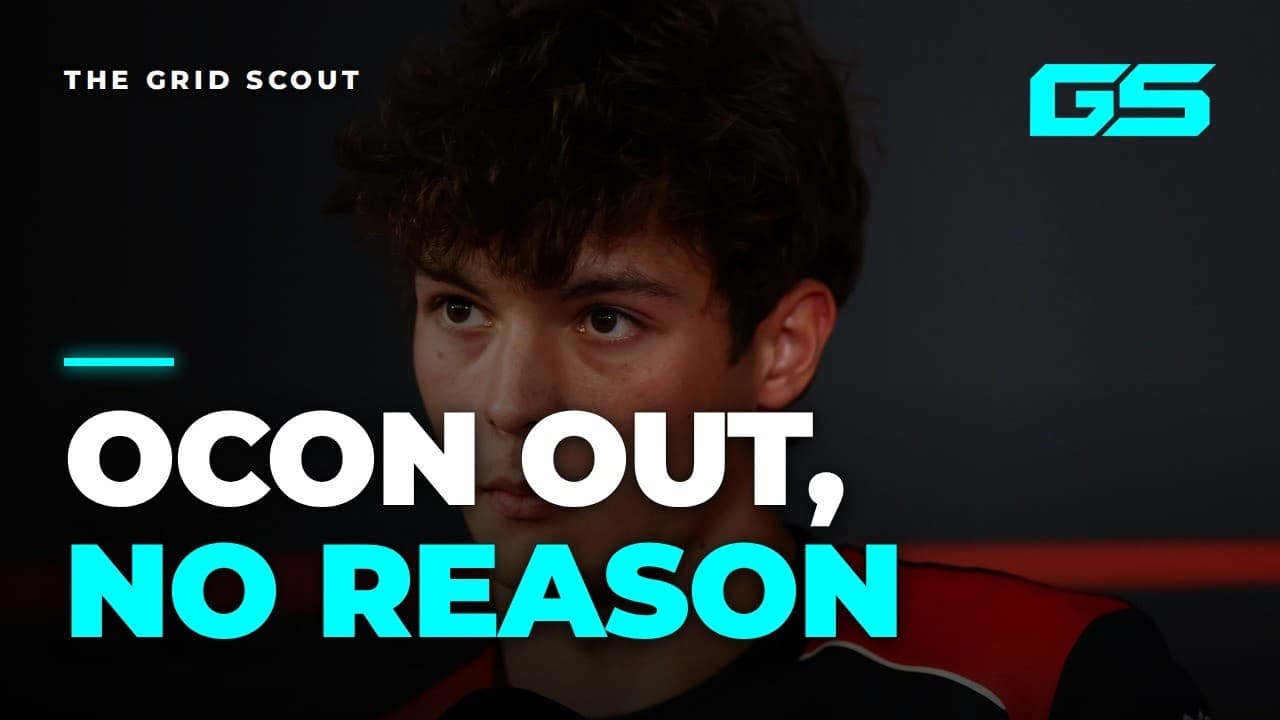
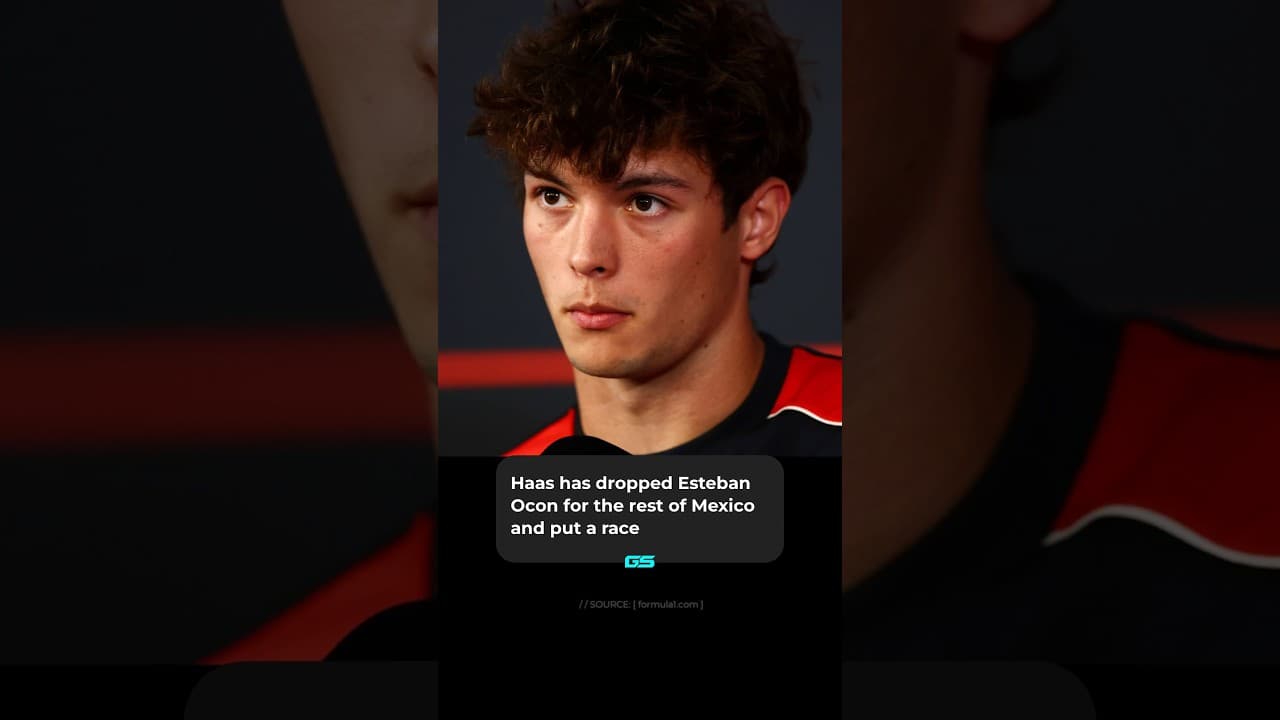
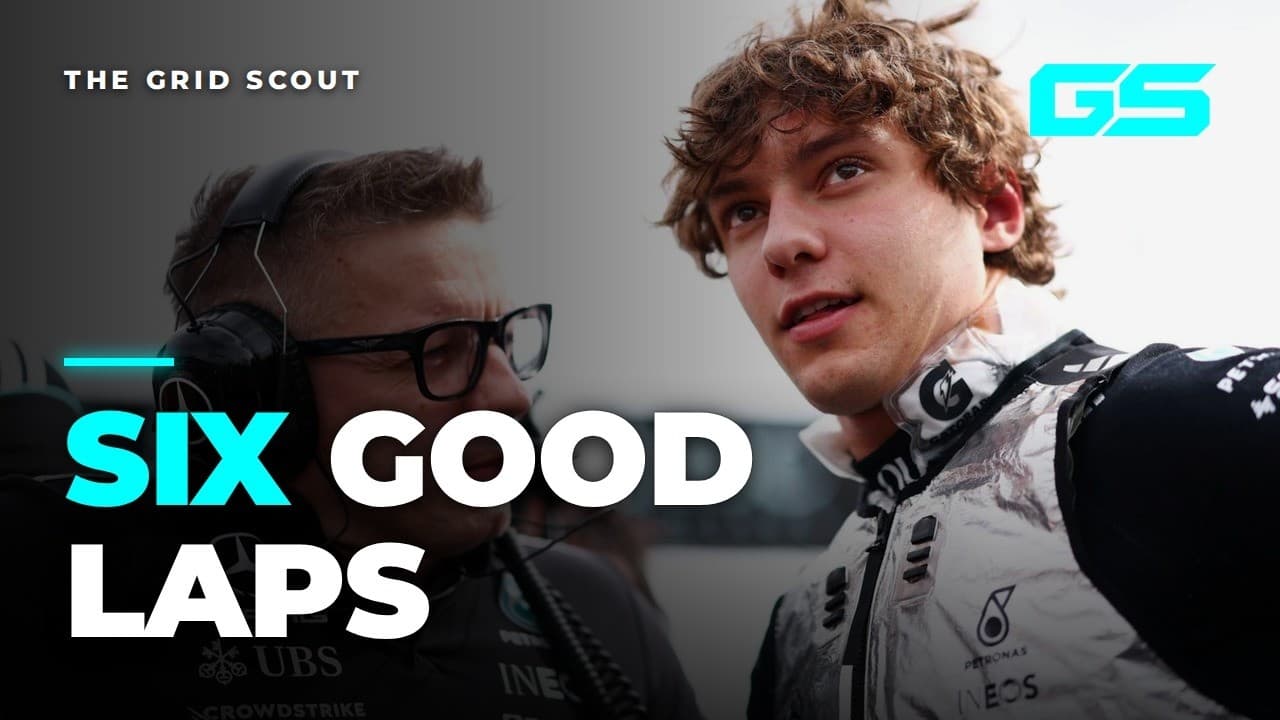
Oliver Bearman got a 10-second penalty for his collision with Pierre Gasly at the United States Grand Prix and called it crazy.
Oliver Bearman was handed a 10-second penalty for his collision with Pierre Gasly at the United States Grand Prix in Austin, and he isn't happy about it. He said he was "pretty shocked" by the decision, called the penalty "crazy" and defended himself with four words: "I couldn't disappear."
Those four words are the best argument for the penalty. And he's the one who made it.
How the move at Turn 13 unfolded
Bearman's race had started well. He gained two places on the opening lap, and the car was clearly going forward. He had shown he had the pace to pass cars.
On the next lap he went for 10th-placed Gasly, diving down the inside at Turn 13. As the gap closed, Bearman put two wheels on the yellow inside kerb.
Why the kerb is the giveaway
That detail settles it. If the only way through a corner is over the inside kerb, you were never properly alongside the car you're trying to pass. The driver on the outside doesn't owe you space for that. A lunge that needs the kerb isn't a racing move. It's a commitment made in the hope that the other car gives way.
Seen that way, "I couldn't disappear" doesn't clear Bearman. It describes a driver who had already run out of room and had nowhere left to go. The move was late before he ever reached the kerb, and the stewards were right to penalise him.
Annoyed is fair, crazy isn't
Bearman is allowed to be annoyed. He'd made up ground on the first lap, the car was working, and a penalty for an attempted pass stings when you feel you're flying. We'd feel the same in his seat.
But "crazy" is the wrong word. A crazy penalty would be one that punished a fair move. This one punished a move that was already too late, and his own explanation is the proof.
So here's the question for anyone who backs Bearman: if the only way through was the kerb, where was the space he thinks he was owed?